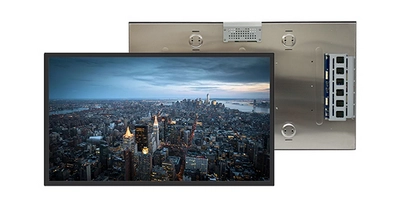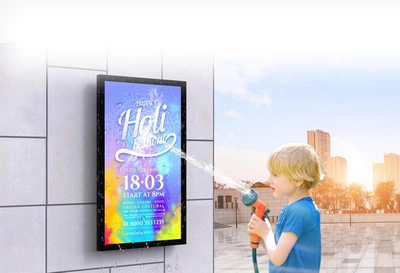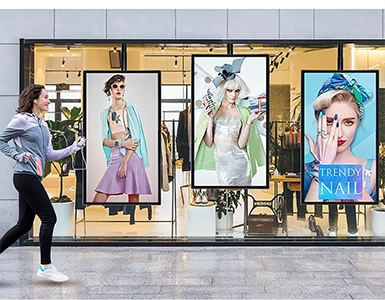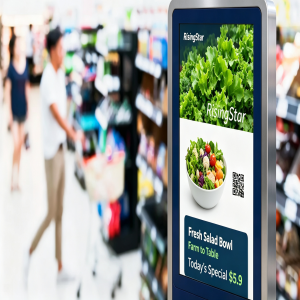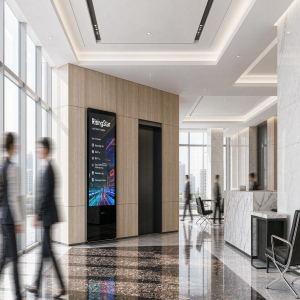
The use of high brightness LCD display technology in passenger information systems is indeed crucial as it ensures clear visibility of information under various lighting conditions, especially under direct sunlight.
To ensure optimal readability of content under different lighting conditions, the brightness of LCD displays should reach at least 1500 nits, ensuring that the content remains visible and legible to passengers.
Here are two examples of LCD displays with different uses that require high brightness:
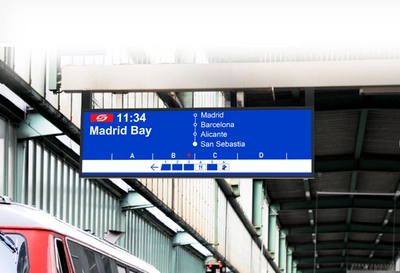
Platform LCD Monitors Displaying Train Schedules and Other Information:
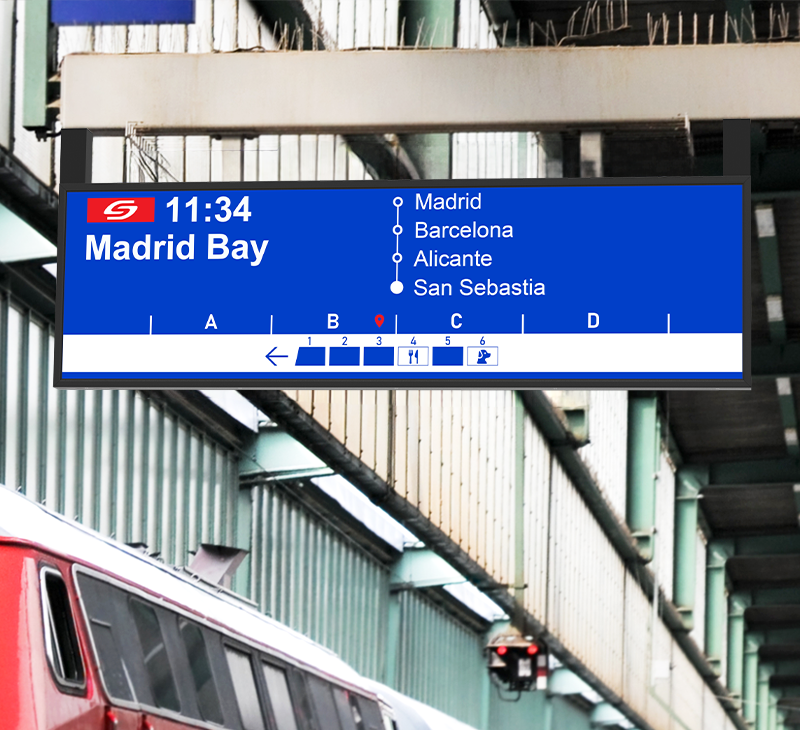
These monitors provide passengers on the platform with all the necessary information about the train arriving at that platform. For instance, the message on the picture be like: "The train destined for Madrid is arriving on this platform at 11:34, with 6 carriages. Carriage 4 is the dining car, and carriage 6 is pet-friendly. If you remain in your current position, you will be boarding at carriage 3."
This information helps passengers quickly and directly access train information, and marking the position of each carriage on the platform also enhances boarding efficiency. Passengers can simply wait on the platform as indicated on the screen.
Route Map Screens Inside Train Carriages:

It may seem unusual, but it is necessary to have high brightness LCD screens inside train or bus carriages. Trains and buses typically have large windows, which not only reduce energy consumption but also serve as a psychological design feature to prevent passengers from feeling anxious in an enclosed space. Additionally, large windows are a safety feature, allowing for quick evacuation in case of an emergency.
The light entering the carriage through these windows can certainly affect the reading experience of passengers, which is why we need high brightness LCDs inside. These screens can display route maps and real-time updates, helping passengers track their journey and know when to prepare for their stop.